Periods
From chant to the present

Gregorian chant
The sung prayer of the Latin Church, largely shaped between the eighth and tenth centuries: a single melodic line, unaccompanied, following the rhythm of the words. Most later Western music grew out of it.
4 recordings

Renaissance polyphony
Sacred music for voices from roughly 1450 to 1600, in which several independent melodic lines sound together. The composers include Josquin, Palestrina, Byrd, Tallis and Victoria.
4 recordings

Sacred choral
Choral settings of sacred texts from the seventeenth century to today: motets, anthems, psalms and liturgical music from Eastern and Western churches.
3 recordings
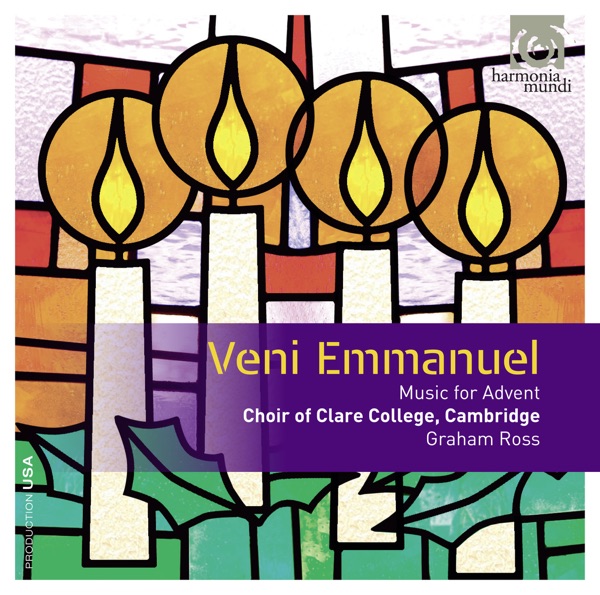
Hymn
Congregational hymns and their tunes, sung by ordinary people for centuries. Most recordings here are by cathedral and college choirs, and many of the texts are worth learning by heart.
4 recordings

Folk song
Traditional songs from the British Isles, America and elsewhere, passed down by ear before anyone wrote them down. The melodies are simple enough to learn and sing together.
5 recordings

Baroque
Music from about 1600 to 1750, by Monteverdi, Bach, Handel, Vivaldi and others. Much of it is built over a steady bass line, with regular rhythm and ornamented melody.
11 recordings

Classical era
Music from about 1750 to 1820, by Haydn, Mozart and Beethoven. Its balanced phrases and clear forms shaped much of the music written after it.
5 recordings

Romantic
Music of the nineteenth century, from Schubert to Brahms, Dvořák and Tchaikovsky, when composers wrote more personal music on a larger scale.
4 recordings

20th c. & modern
Music written since 1900. Several composers here, including Vaughan Williams, Howells and Pärt, drew on chant and Tudor church music.
3 recordings